
Categories
Seller TipsPublished June 24, 2026
Why the Highest Price Isn't Always the Best Price

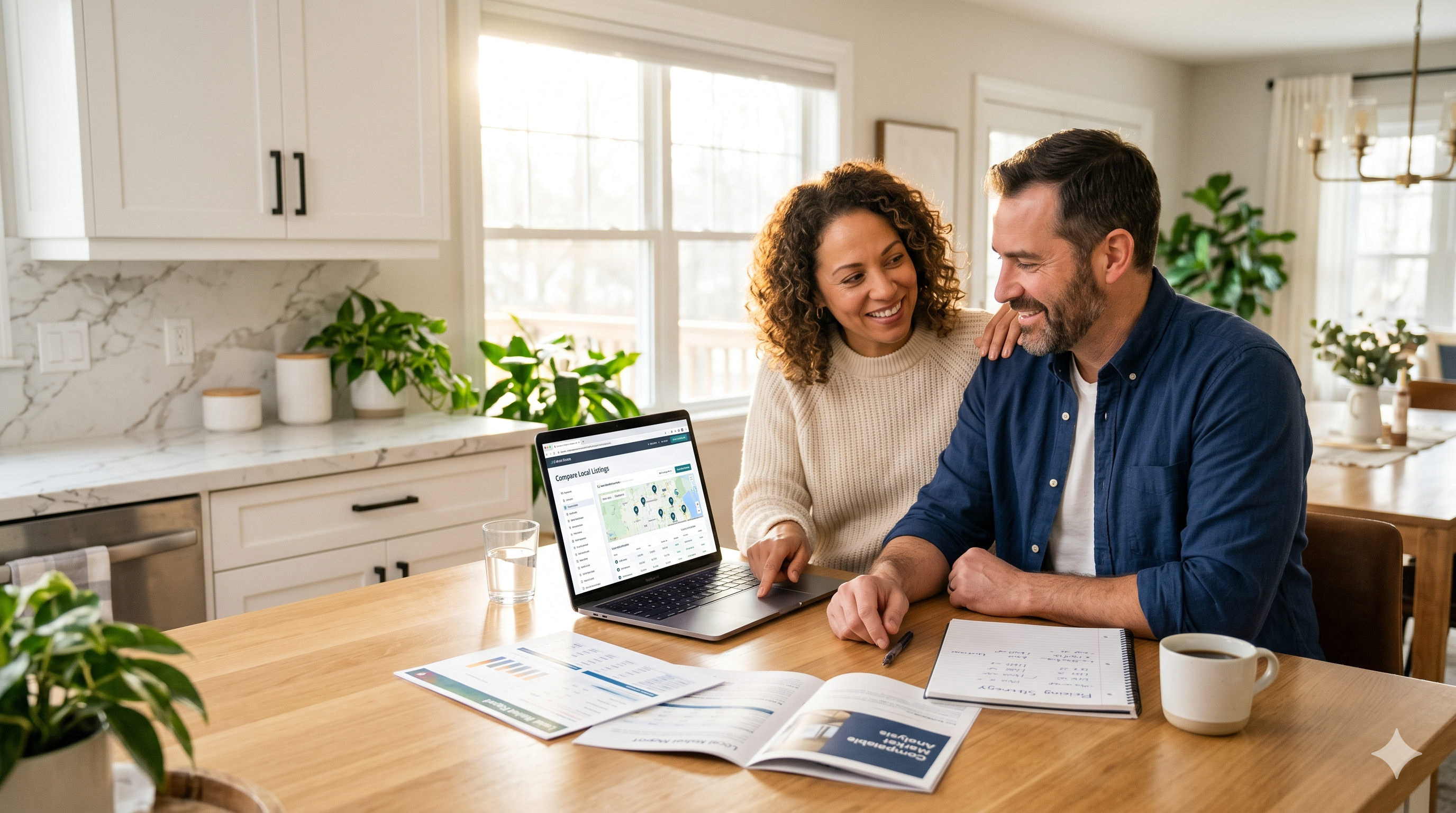
If you're thinking about selling your home, there's a good chance you've already looked up what it's worth online.
Maybe you've checked Zillow.
Maybe you've compared your house to the one down the street that sold last month.
Maybe you've even heard a few opinions from friends and neighbors.
And somehow, you've ended up with three completely different numbers.
You're not alone.
One of the biggest challenges sellers face is figuring out where to price their home. Price it too high, and buyers may scroll right past it. Price it too low, and you'll wonder if you could have gotten more.
So how do you find the sweet spot?
The goal isn't to pick the highest number
This surprises a lot of people.
When sellers ask, "What's my home worth?" what they're often really asking is, "What's the most someone will pay for it?"
The problem is that buyers don't shop based on what a seller hopes to get. They shop based on what they believe a home is worth compared to other options.
The homes that get the most attention are usually the ones that feel priced correctly from the start.
Buyers know more than ever
Years ago, sellers had access to information that buyers didn't.
That's not the case anymore.
Today's buyers can compare homes online in minutes.
They know what similar homes are selling for.
They know how long properties have been sitting on the market.
And they can spot an overpriced listing pretty quickly.
That's why pricing based on emotion or what you "need" to make from the sale can sometimes backfire.
The market doesn't care what your next house costs or how much money you put into a project five years ago.
Buyers are looking at what's available today.
The first few weeks matter the most
When a home first hits the market, that's usually when it gets the most attention.
Buyers are curious.
Agents are watching.
People who have been waiting for the right home suddenly notice a new option.
If a home is priced too aggressively and doesn't get much activity, that initial momentum can fade.
Then come the price reductions.
Then come the questions.
"Why hasn't it sold?"
"Is something wrong with it?"
That's why getting the price right from the beginning is often better than chasing the market later.
Don't compare your home to active listings
This is one of the most common mistakes sellers make.
It's easy to look at homes currently for sale and assume that's what your home should be worth.
But active listings are just asking prices.
The more important question is, "What are buyers actually paying?"
Recent sales tell a much clearer story than homes that are still waiting for an offer.
Competition matters
Even if your home is beautiful, buyers are still comparing it to everything else available in your area.
If there are five similar homes on the market, your price needs to make sense within that group.
Think like a buyer.
If someone can purchase a similar home down the street for less money, what reason would they have to choose yours?
Pricing isn't just about your home. It's about how your home stacks up against the competition.
The best price isn't always the highest price
This is where sellers sometimes get stuck.
The highest asking price doesn't always lead to the highest final sale price.
In fact, homes that are priced realistically often create more interest, more showings, and sometimes even multiple offers.
That's what creates leverage.
And leverage is usually more valuable than simply starting high and hoping for the best.
The bottom line
Pricing a home isn't about guessing.
It's about understanding buyer behavior, local market conditions, and the competition your home will face.
The right price attracts attention.
The wrong price can quietly push buyers away before they ever step through the front door.
If you're preparing to sell, focus less on finding the highest number and more on finding the right number.
That's usually where the best results happen.

Danny Gomes
Realtor / Probate Specialist | Legacy Realty Partners | Danny Gomes | PLACE
or another way