

Categories
Probate Tips, Probate Real EstatePublished September 23, 2026
What to Do When a Probate Home Needs Major Repairs

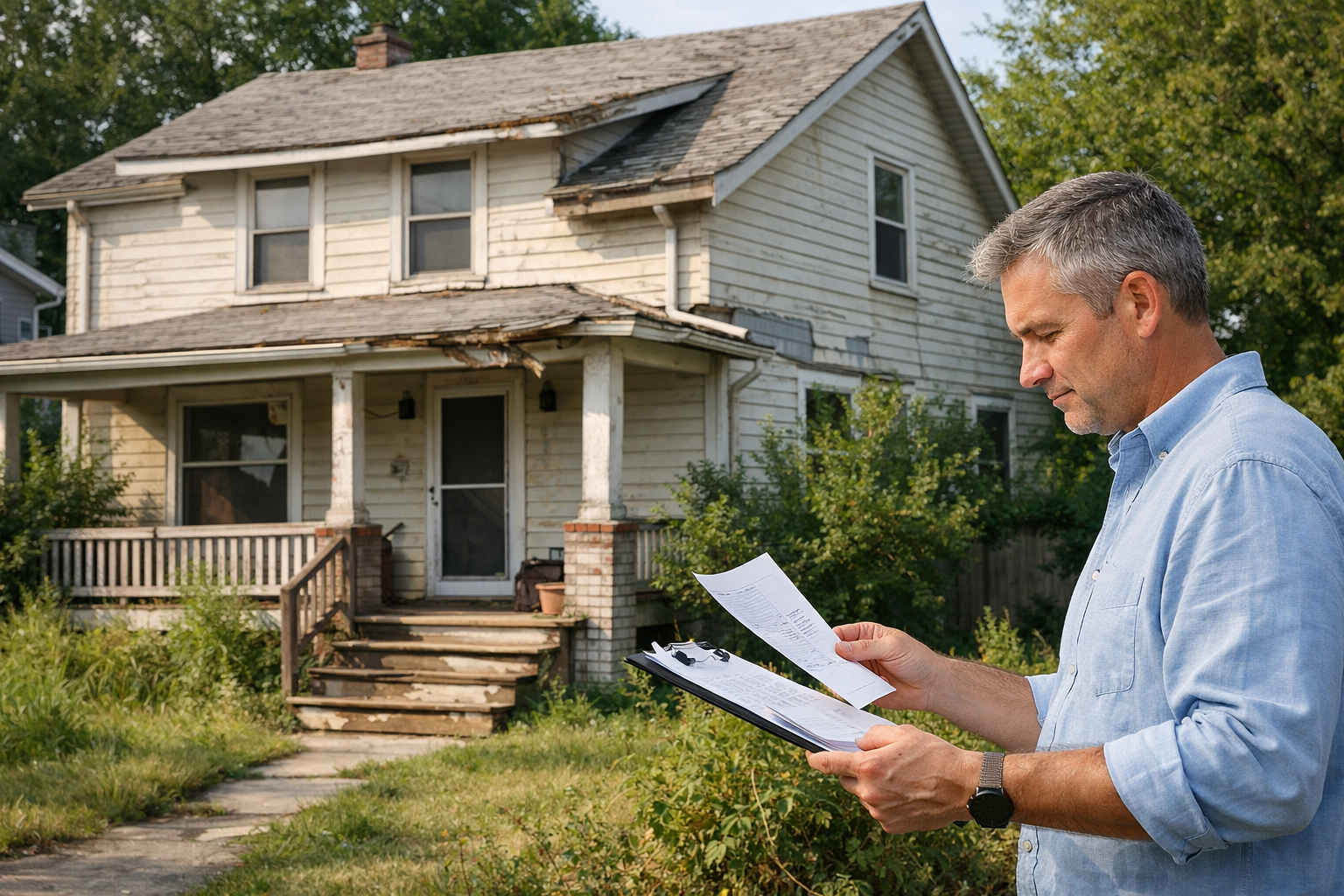
Handling a probate or inherited home is rarely simple, and the situation becomes even more stressful when the property needs major repairs. Executors, heirs, and family members are often forced to make decisions quickly while balancing legal responsibilities, financial limits, family dynamics, and the practical realities of preparing a home for sale.
If you are responsible for a probate property with significant deferred maintenance, structural concerns, or visible damage, the best next step is not to guess. It is to create a clear plan. The right approach can help protect the estate, reduce conflict, support accurate disclosures, and position the property for the strongest possible outcome based on its condition and the estate’s goals.
This guide explains how to evaluate a probate home that needs major repairs, how to prioritize decisions, and how to determine whether repairing, offering credits, or selling as-is makes the most sense.
Start With Urgent Safety and Damage Issues
Before thinking about cosmetic updates or resale value, focus on immediate safety and property preservation. A vacant or inherited home can deteriorate quickly, especially if there are active leaks, electrical hazards, mold concerns, pest activity, broken windows, or unsecured access points.
Walk through the property carefully and identify issues that could:
- Create a safety risk for family members, contractors, inspectors, or buyers
- Cause additional damage if left unaddressed
- Interfere with insurance coverage or claim handling
- Prevent the home from being shown safely
Examples of urgent concerns may include roof leaks, plumbing failures, exposed wiring, unstable flooring, non-functioning HVAC in extreme weather, water intrusion, or signs of fire damage. If the home has been vacant, also confirm whether utilities should remain on for inspections, preservation, and showings.
In many probate situations, the first dollars spent should go toward stabilization rather than beautification. Stopping further damage is often more important than making the property look updated.
Confirm Who Has Authority to Make Decisions
One of the most common probate mistakes is moving forward with repairs before confirming who has legal authority to approve work and spend estate funds. Family members may have strong opinions, but authority typically rests with the executor, personal representative, trustee, or another legally authorized party, depending on how the property is being handled.
Before signing contracts or authorizing major work, confirm:
- Who has authority to act on behalf of the estate or property
- Whether court approval is required for certain decisions or expenditures
- Whether there are restrictions in the will, trust, court orders, or other governing documents
- How invoices should be issued and paid
- Whether reimbursement procedures are documented if someone advances funds personally
Clarity at this stage helps avoid disputes later, especially when multiple heirs are involved or when one family member is taking the lead on property management.
Understand the Estate Budget Before Committing to Repairs
Even when repairs seem necessary, the estate may not have unlimited cash available. Before creating a repair plan, determine what funds are realistically available and what other obligations the estate must cover.
Review the broader financial picture, including:
- Mortgage payments, taxes, insurance, utilities, and maintenance costs
- Attorney, court, accounting, or administrative expenses
- Outstanding liens or creditor claims
- Personal property removal, cleaning, hauling, or estate-sale costs
- Potential carrying costs if the property will take months to prepare and sell
A repair strategy should fit the estate’s actual budget, not an optimistic assumption about future sale proceeds. In some cases, limited funds make targeted repairs the best option. In others, selling as-is may be the most practical path.
Get Professional Evaluations Before Deciding
When a probate home needs major repairs, assumptions can be expensive. What looks like a simple cosmetic issue may point to a larger structural or systems problem, while some intimidating defects may be less costly to address than expected.
Bring in qualified professionals to evaluate the property before deciding on scope or budget. Depending on the home’s condition, that may include:
- A licensed home inspector for an overall condition assessment
- Roofing, plumbing, electrical, HVAC, foundation, drainage, or mold specialists
- A general contractor to help estimate broader repair coordination
- A real estate professional experienced with probate and inherited homes
Ask for written findings and estimates whenever possible. Multiple bids can be helpful for larger projects, especially when heirs want transparency around pricing and recommendations.
Professional evaluations help answer critical questions:
- What must be repaired for safety or marketability?
- What can be deferred or disclosed instead?
- Which repairs are likely to improve buyer interest or reduce negotiation friction?
- Which projects are unlikely to produce a meaningful return?
Prioritize Repairs Based on Risk, Marketability, and Return
Not every issue deserves the same level of attention. Once you understand the property’s condition, sort repairs into practical categories.
1. Stabilization and safety repairs
These are the highest priority. They help prevent further damage, reduce liability, and make the property safer to access and evaluate.
2. Functional repairs
These involve major systems or conditions that materially affect financing, inspections, or buyer confidence, such as plumbing leaks, electrical defects, heating issues, or significant roof problems.
3. Marketability improvements
These may include debris removal, deep cleaning, landscaping cleanup, paint touch-ups, flooring replacement in limited areas, or other improvements that help the home show better without becoming a full renovation.
4. Low-return upgrades
These are the projects that often consume time and money without clearly improving the estate’s net outcome, such as high-end finishes, trend-driven remodels, or extensive customization.
For many probate properties, the best strategy is selective improvement rather than a complete overhaul. The goal is usually to protect value and improve saleability, not to transform the home into the most upgraded property in the neighborhood.
Decide Whether to Repair, Offer Credits, or Sell As-Is
There is no single right answer for every probate property. The best option depends on the home’s condition, the estate’s timeline, available funds, buyer demand, and the family’s tolerance for project management.
Option 1: Complete repairs before listing
This approach may make sense when the home has a manageable number of high-impact issues, the estate has funds available, and improved condition is likely to broaden the buyer pool or support stronger pricing.
Potential advantages include:
- Better presentation and first impressions
- Fewer objections during inspections
- Potential access to more financed buyers
- Stronger pricing support if repairs are well chosen
Potential drawbacks include:
- Upfront cost and carrying time
- Project management burden
- Risk of over-improving
- Possible disagreements among heirs about scope and spending
Option 2: Offer repair credits or price for condition
In some cases, it is more efficient to disclose known issues, price the property accordingly, and negotiate credits or concessions with a buyer rather than complete every repair in advance.
This can work well when:
- The defects are understood and documented
- The estate wants to reduce renovation oversight
- Buyers in the market are comfortable taking on some work
- The property is otherwise attractive in location, layout, or lot value
Option 3: Sell the property as-is
Selling as-is may be the best fit when the home needs extensive work, the estate lacks funds, the family wants a faster resolution, or the property is likely to appeal to investors, builders, or buyers seeking a project.
An as-is sale does not eliminate disclosure obligations, and it does not guarantee a simple transaction. However, it can reduce the estate’s upfront spending and shorten the preparation timeline when handled strategically.
A probate-savvy real estate professional can help compare likely outcomes under each scenario so the estate can make a practical, informed decision.
Coordinate Clearly When Multiple Heirs Are Involved
Inherited property decisions can become emotionally charged, especially when siblings or extended family members have different expectations about repairs, pricing, timelines, or sentimental items in the home.
To reduce conflict, establish a clear communication process early. That may include:
- Sharing inspection findings and contractor estimates with all relevant decision-makers
- Documenting who has authority to approve work
- Setting deadlines for feedback so decisions do not stall
- Keeping written records of major repair and sale decisions
- Separating emotional discussions about belongings from practical decisions about the real estate
Transparency matters. Even when one person has legal authority, keeping heirs informed can help preserve trust and reduce later disputes about whether the property was handled responsibly.
Keep Strong Records for Disclosures and Estate Administration
Documentation is essential when a probate home has known defects or repair history. Keep organized records of:
- Inspection reports and specialist evaluations
- Repair bids, invoices, receipts, and warranties
- Photos of the property before, during, and after work
- Insurance claims or remediation records if applicable
- Communications related to approvals and expenditures
These records can support disclosure preparation, justify estate expenditures, and help answer buyer questions during the transaction. Good documentation also helps the estate demonstrate that decisions were made thoughtfully and in good faith.
Disclosure requirements vary by state, property history, and the seller’s role, so it is important to get guidance from qualified professionals on what must be disclosed and how to present known information accurately.
Coordinate Repairs With Clean-Out, Personal Property Removal, and Estate Sales
Major repairs often overlap with other probate logistics. Before scheduling contractors, consider whether the home still contains furniture, personal belongings, collectibles, or items that may be sold, distributed, donated, or discarded.
In some cases, the best sequence is:
- Secure the property and address urgent hazards
- Sort and remove personal property
- Complete deep cleaning and debris removal
- Bring in contractors for repair work
- Finish final cleaning, staging decisions, and listing preparation
If an estate sale is planned, coordinate timing carefully so contractors are not working around sale activity and valuable items are not exposed unnecessarily. A well-managed sequence can save time, reduce duplicate labor, and make the property easier to evaluate accurately.
Build a Pricing and Marketing Strategy Around the Home’s Actual Condition
Once the repair plan is clear, pricing should reflect the property’s true condition, the work completed, and the likely buyer audience. Overpricing a probate home with major repair needs can lead to extended market time, repeated price reductions, and increased carrying costs for the estate.
A strong pricing and marketing strategy should consider:
- The home’s current condition compared with competing listings and recent sales
- Whether the property is best suited for owner-occupants, investors, builders, or cash buyers
- How completed repairs improve financing eligibility or buyer confidence
- Whether pre-listing inspections, contractor estimates, or repair summaries should be shared to support transparency
- How to present the opportunity honestly without underselling the property’s strengths
Marketing should be accurate and strategic. If the home has been stabilized but still needs updating, say so clearly. If it offers strong bones, a desirable lot, or a valuable location, those strengths should be highlighted alongside realistic condition notes.
Avoid Over-Improvement
One of the biggest risks in probate property preparation is spending too much on repairs that do not meaningfully improve the estate’s net proceeds. Families sometimes assume that a full remodel will always produce a better result, but that is not necessarily true.
Over-improvement can happen when:
- Repairs expand into renovations without a clear return analysis
- Heirs choose finishes based on personal taste rather than market expectations
- The estate tries to compete with fully renovated homes despite budget or location limitations
- Projects drag on and carrying costs erode any pricing gains
The smarter question is not, “How do we make this home perfect?” It is, “Which actions are most likely to protect value, improve marketability, and support the estate’s goals?”
Practical Decision Checklist for a Probate Home Needing Major Repairs
- Confirm who has legal authority to approve repairs and sign contracts
- Identify urgent safety hazards and active damage that need immediate attention
- Review estate funds, carrying costs, and competing financial obligations
- Order inspections or specialist evaluations for major concerns
- Collect written repair estimates and compare scope carefully
- Separate must-do stabilization work from optional upgrades
- Discuss repair strategy, timeline, and budget with relevant heirs or stakeholders
- Decide whether the best path is repairs, credits, pricing for condition, or an as-is sale
- Coordinate clean-out, estate-sale timing, and contractor access
- Keep organized records for disclosures, accounting, and buyer communication
- Set a pricing and marketing plan based on actual condition and target buyer demand
- Recheck whether any planned improvements are likely to exceed their practical return
Final Thoughts
When a probate home needs major repairs, the pressure to make the right decision can feel overwhelming. The good news is that you do not need to solve everything at once. A structured process—stabilize the property, confirm authority, understand the budget, gather professional input, and choose the repair strategy that fits the estate’s goals—can turn a stressful situation into a manageable one.
Some probate homes benefit from targeted repairs before listing. Others are better sold with disclosures, credits, or as-is pricing. The right answer depends on the property, the estate, and the people involved.
Important disclaimer: Probate, disclosure, repair, and real estate transaction requirements vary by state, property condition, ownership structure, court involvement, and individual circumstances. This article is for general informational purposes only and is not legal, tax, inspection, construction, or real estate advice. Executors, heirs, and families should consult qualified legal, tax, inspection, contractor, and real estate professionals before making decisions about a probate or inherited property.
Need Guidance on Selling a Probate or Inherited Home?
Legacy Realty Partners helps executors, heirs, and families evaluate inherited properties, understand repair-versus-as-is options, and build a practical plan for pricing, preparation, and sale. If you are handling a probate home that needs major repairs, Legacy Realty Partners can help you assess the property’s condition, identify the most sensible next steps, and move forward with a strategy tailored to your situation.

Danny Gomes
Realtor / Probate Specialist | Legacy Realty Partners | Danny Gomes | PLACE
or another way