

Categories
Seller TipsPublished October 30, 2026
What Sellers Should Know About Home Inspections

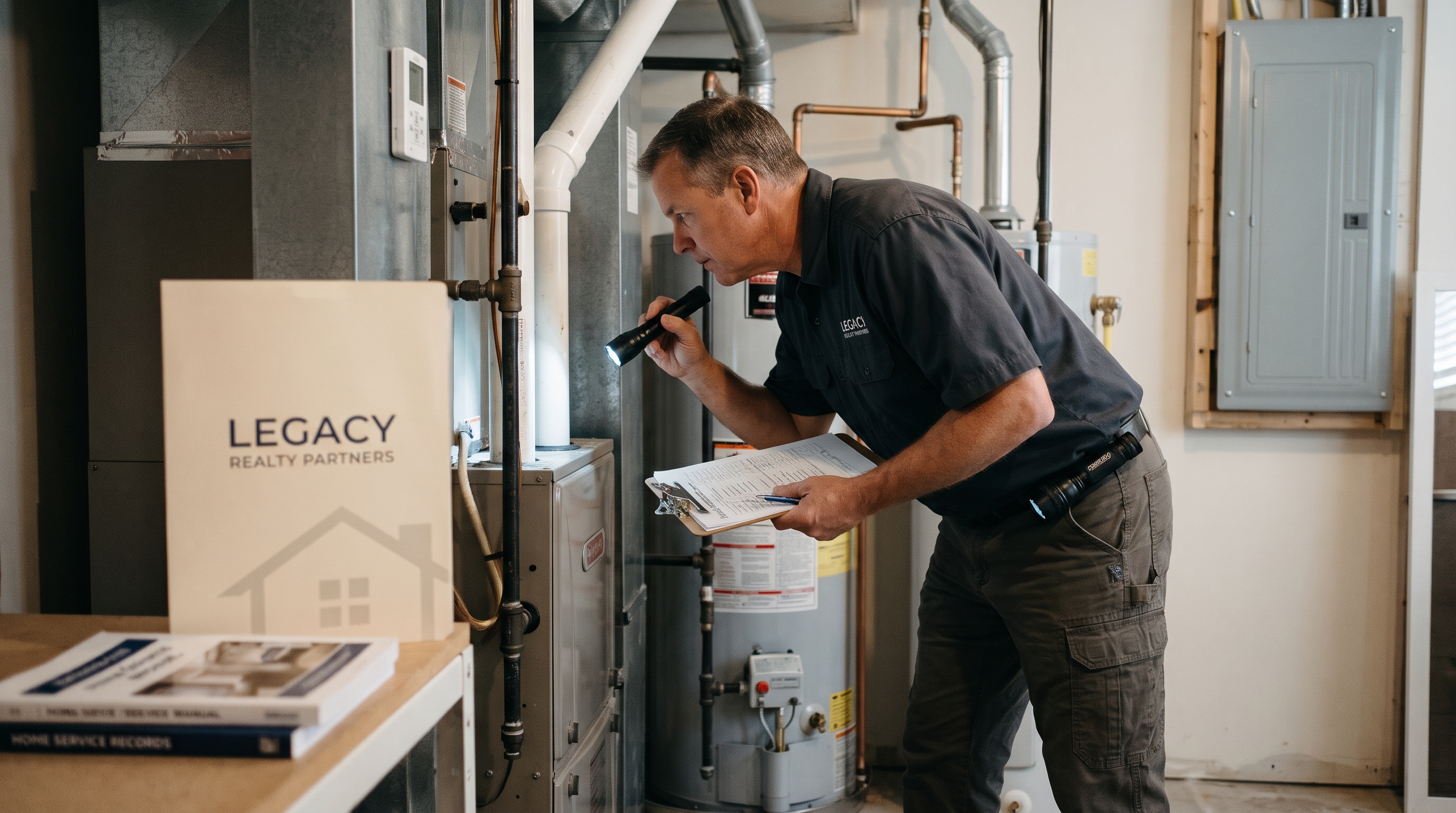
Selling a home involves more than preparing it for photos, showings, and offers. Once a buyer is under contract, the home inspection is often one of the most important milestones in the transaction.
For sellers, an inspection can feel stressful. You may worry about what the inspector will find, whether the buyer will ask for repairs, or whether the transaction could be delayed.
The good news is that inspections are a common part of many home sales. Understanding the process can help you prepare, respond thoughtfully, and keep the transaction moving forward.
Here is what sellers should know about home inspections.
What Is a Home Inspection?
A home inspection is an evaluation of a property’s visible and accessible condition.
Buyers often hire a licensed or qualified home inspector after going under contract. The inspector typically reviews major systems and components of the home and prepares a report describing observations, maintenance concerns, safety issues, and items that may need further evaluation.
A home inspection is not the same as an appraisal.
An appraisal focuses on an opinion of value, often for a lender. A home inspection focuses on the property’s condition.
An inspection is also not a guarantee that every issue will be found. Inspectors generally review visible and accessible areas, and the scope of the inspection may vary based on the property, inspector, location, and agreement.
What May a Home Inspector Review?
The exact scope of an inspection can vary, but inspectors often review visible and accessible components such as:
- Roof and exterior surfaces
- Foundation and structural components
- Attic and insulation areas
- Plumbing fixtures and visible plumbing
- Electrical panels, outlets, and visible wiring
- Heating and cooling systems
- Water heater
- Windows and doors
- Interior walls, ceilings, and floors
- Appliances, depending on the inspection agreement
- Garage and garage-door operation
- Drainage and grading observations
- Decks, porches, stairs, and railings
- Smoke and carbon monoxide detectors
The inspector may recommend further evaluation by a specialist if they observe something outside the scope of a general inspection.
For example, an inspector may recommend that a roofer, electrician, plumber, HVAC technician, structural engineer, pest professional, or other qualified specialist evaluate a specific concern.
What Sellers Should Expect During the Inspection
The inspection usually takes place after the buyer and seller have signed a purchase agreement.
The buyer typically schedules and pays for the inspection, although practices can vary. The buyer may attend the inspection, and their real estate agent may also be present. The seller is often not present during the inspection, but access arrangements are usually coordinated through the listing agent.
The inspection may take several hours depending on the size, age, condition, and complexity of the property.
During the inspection, the inspector may:
- Walk through the interior and exterior of the home
- Test accessible systems and fixtures
- Take photos
- Make notes about observed conditions
- Identify maintenance items or potential concerns
- Recommend further evaluation where appropriate
Afterward, the buyer receives an inspection report. The buyer may then decide whether to move forward as planned, request repairs or credits, seek additional inspections, or take another action allowed under the contract.
How Sellers Can Prepare for an Inspection
Sellers cannot control every inspection finding, but they can make the process easier and reduce avoidable concerns.
Before the inspection, consider the following steps.
Make the Home Accessible
The inspector needs access to key areas of the property.
Make sure there is clear access to:
- Electrical panels
- Attic entries
- Crawl spaces, if applicable
- Water heater
- HVAC equipment
- Garage
- Basement
- Sheds or outbuildings included in the sale
- Appliances
- Windows and doors
- Exterior areas
Move boxes, furniture, storage items, or other obstacles that block access.
Replace Burned-Out Light Bulbs
A burned-out bulb can make it difficult for an inspector to determine whether a fixture is functioning properly.
Replacing bulbs is a simple step that can prevent unnecessary questions about electrical fixtures.
Check Smoke and Carbon Monoxide Detectors
Make sure smoke and carbon monoxide detectors are present and functioning where appropriate.
Requirements vary by location and property type, so consult qualified professionals if you have questions about local requirements.
Address Obvious Minor Repairs
Small repairs may not prevent every inspection issue, but they can improve the overall impression of the home.
Consider addressing items such as:
- Leaky faucets
- Loose handrails
- Sticking doors
- Broken screens
- Missing outlet covers
- Loose cabinet hardware
- Damaged caulk
- Minor drywall damage
- Non-functioning door locks
- Loose fence boards
- Dripping gutters
These items may seem minor, but a collection of small maintenance issues can make buyers more concerned about larger deferred maintenance.
Gather Relevant Documents
If available, gather documents related to major repairs, improvements, warranties, permits, or service records.
Examples may include:
- Roof replacement records
- HVAC service records
- Water heater installation information
- Appliance warranties
- Repair invoices
- Permits for additions or major work
- Pest-treatment records
- Septic or well records, if applicable
- HOA documents, if applicable
These documents may help answer questions and provide useful context. They do not replace an inspection or guarantee that a buyer will not request additional information.
Secure Pets and Plan for Access
Make arrangements for pets before the inspection.
Pets can create safety concerns, distractions, or access issues. If possible, remove pets from the property or secure them in a safe location that does not block access to important areas.
What Happens After the Inspection Report?
After the inspection, the buyer reviews the report with their agent and may consult specialists if needed.
The buyer may decide to:
- Move forward without requesting changes
- Request repairs
- Request a credit or price adjustment
- Ask for additional inspections
- Renegotiate certain terms
- Exercise an inspection-related contingency, if allowed under the contract
The seller is not automatically required to repair every item in an inspection report.
The next steps depend on the purchase agreement, local practices, the nature of the findings, and the willingness of both parties to negotiate.
How to Respond to Repair Requests
Inspection negotiations can be emotional, especially when a report contains a long list of items.
It helps to remember that inspection reports often include both major concerns and routine maintenance observations. A long report does not necessarily mean the home has serious problems.
When reviewing a buyer’s request, consider:
- Which items involve health, safety, or major systems
- Which items are routine maintenance
- Whether the request is supported by specialist evaluations
- The cost and timing of repairs
- Your contract terms
- Your overall transaction goals
- Whether a repair, credit, price adjustment, or another solution makes sense
A real estate professional can help you evaluate the request and communicate a response clearly.
Repairs, Credits, or Price Adjustments
There are several ways buyers and sellers may address inspection concerns.
Seller Repairs
The seller may agree to complete specific repairs before closing.
If repairs are agreed upon, make sure the agreement is clear about:
- What work will be completed
- Who will perform the work
- Whether licensed professionals are required
- Whether receipts or invoices will be provided
- When the work must be completed
- Whether the buyer may verify the repairs
Avoid vague agreements. Clear written terms can reduce misunderstandings.
Seller Credit
Instead of completing repairs, a seller may offer a credit toward the buyer’s closing costs or another agreed expense, subject to lender and contract requirements.
A credit may allow the buyer to choose their own contractor after closing. However, lender limits and loan-program rules may affect whether this option is available.
Price Adjustment
In some situations, the parties may agree to adjust the purchase price.
A price adjustment may not always solve a buyer’s immediate repair-cost concern, especially if the buyer needs funds for repairs after closing. It may also affect financing or appraisal considerations.
The right solution depends on the transaction.
Should Sellers Get a Pre-Listing Inspection?
Some sellers choose to complete an inspection before listing their home.
A pre-listing inspection may help identify visible issues early, allowing the seller to make repairs, gather estimates, or prepare for buyer questions.
Potential benefits may include:
- More time to address concerns before listing
- Fewer surprises after going under contract
- Better preparation for repair negotiations
- A clearer understanding of the home’s condition
However, a pre-listing inspection is not necessary for every seller or property.
Before ordering one, discuss the potential benefits, costs, disclosure considerations, and strategy with your real estate professional and appropriate advisors.
Common Seller Misconceptions About Inspections
“The Buyer Will Expect Me to Fix Everything”
Not necessarily. Inspection reports often include routine maintenance items, cosmetic observations, and recommendations. Buyers may focus on larger concerns, safety issues, or major systems.
“A Long Inspection Report Means the Deal Will Fall Apart”
Not always. Most homes, especially older homes, have inspection findings. The important question is how the parties respond and whether they can reach an agreement.
“I Should Hide or Cover Up Problems”
Trying to conceal known issues can create larger problems later. It is generally better to address concerns honestly and seek appropriate professional guidance.
“I Can Handle Repairs Myself Without Documentation”
Depending on the repair and agreement, buyers may expect work to be completed by qualified professionals and may request receipts or invoices. Follow the written agreement and consult appropriate professionals.
“An Inspection Is the Same as an Appraisal”
An inspection evaluates condition. An appraisal provides an opinion of value for a specific purpose. They are different processes.
Seller Inspection Checklist
Before the inspection:
- Confirm the inspection date and access instructions.
- Make sure all rooms and key systems are accessible.
- Clear access to the attic, basement, crawl space, garage, electrical panel, HVAC equipment, and water heater.
- Replace burned-out light bulbs.
- Check smoke and carbon monoxide detectors.
- Address obvious minor repairs.
- Secure pets or arrange for them to be elsewhere.
- Gather repair records, warranties, permits, and service documents.
- Remove valuables, medications, and sensitive documents.
- Keep the home clean and reasonably organized.
- Discuss any known concerns with your real estate professional.
Work With Legacy Realty Partners
A home inspection is an important part of many real estate transactions, but it does not have to derail your sale.
Legacy Realty Partners can help you prepare for the inspection, understand buyer requests, evaluate your options, and keep communication clear throughout the negotiation process.
From listing preparation through closing, our team can help you navigate each step with a practical strategy and informed guidance.
Contact Legacy Realty Partners to discuss your home-selling goals and create a plan for a smoother transaction.
Important Disclaimer
This article is provided for general informational purposes only and should not be considered legal, tax, inspection, construction, environmental, appraisal, lending, financial, or investment advice. Inspection standards, disclosure obligations, contract terms, repair requirements, and transaction practices vary by location, property type, and individual circumstances. A home inspection is limited in scope and does not guarantee that all defects or conditions will be identified. Consult qualified real estate, legal, inspection, construction, environmental, tax, lending, and financial professionals for guidance specific to your situation.

Danny Gomes
Realtor / Probate Specialist | Legacy Realty Partners | Danny Gomes | PLACE
or another way