

Categories
PurchasingPublished November 6, 2026
What Homebuyers Can Still Negotiate in Today’s Market

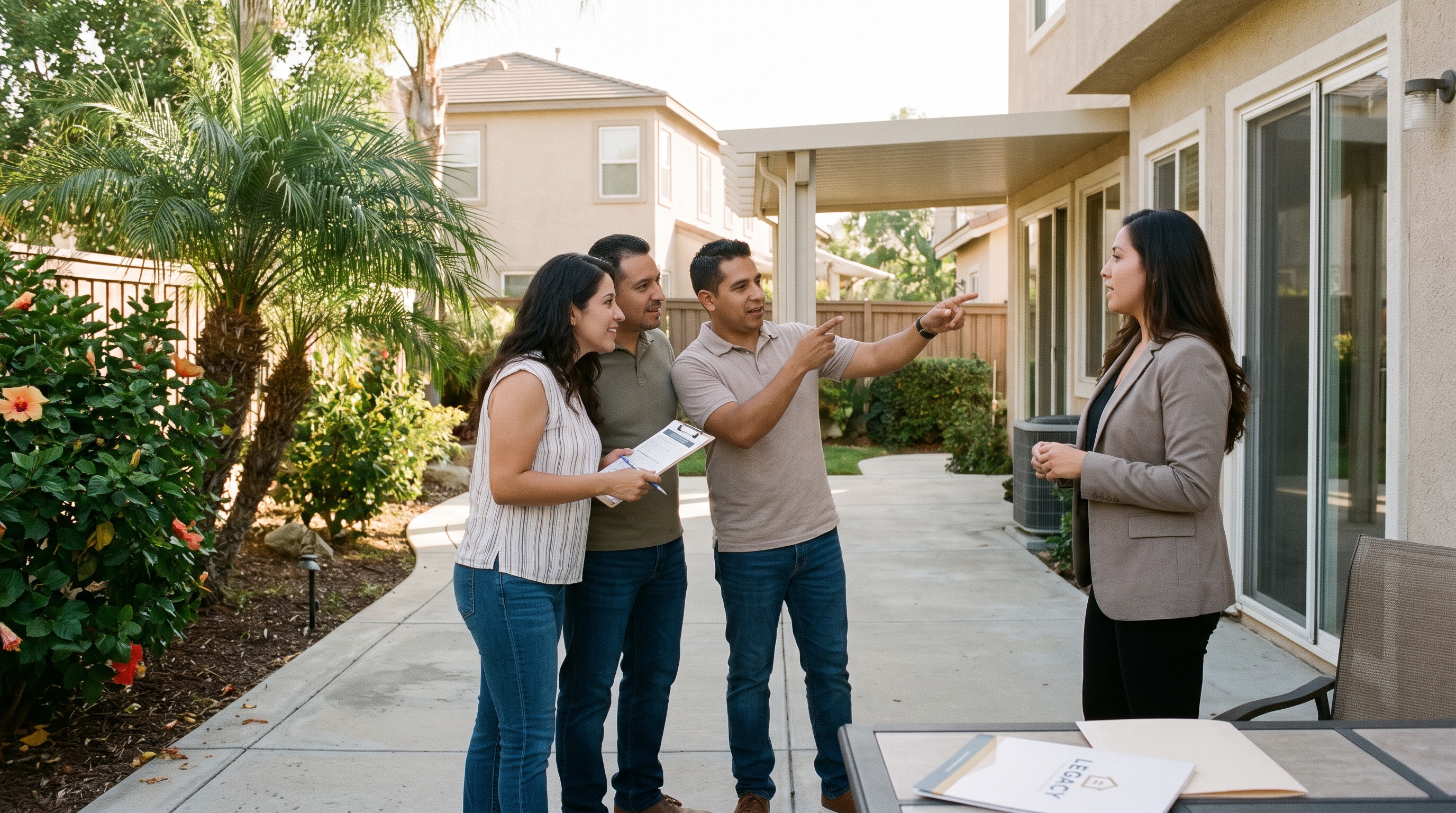
Many buyers assume that if the market feels competitive, there is nothing left to negotiate. That is not always true.
Even when well-priced homes move quickly, buyers may still have room to negotiate terms that improve the overall deal. Price gets most of the attention, but it is only one part of a real estate negotiation. Closing costs, repairs, mortgage rate buydowns, possession dates, appliances, and contingencies can all affect how affordable and manageable a purchase feels.
For buyers across Los Angeles County and surrounding Southern California communities, understanding what can still be negotiated is an important part of making a smart offer in today’s market.
Negotiation Is About More Than the Purchase Price
When buyers think about negotiating, they often focus only on getting the seller to lower the price. Sometimes that works. Sometimes it does not. But even when a seller is firm on price, they may still be flexible in other areas that matter just as much.
A successful negotiation is about the full package. It is about finding terms that reduce your upfront costs, improve your monthly payment, protect your timeline, or make the move easier overall.
That is why buyers should look at the entire structure of the offer, not just the number at the top.
1. Closing Costs
One of the most common things buyers can still negotiate is help with closing costs. These costs may include lender fees, title charges, escrow fees, prepaid taxes, and insurance-related expenses.
In some situations, a seller may be more willing to offer a credit toward closing costs than to reduce the purchase price. From the seller’s perspective, that can feel like a smaller concession. From the buyer’s perspective, it can reduce the amount of cash needed to close.
This can be especially helpful for buyers who are financially qualified but want to preserve more cash for moving expenses, repairs, or reserves after closing.
Why it matters: A seller credit can improve affordability without changing the headline sale price.
2. Repairs or Repair Credits
After the inspection, buyers may have an opportunity to negotiate repairs or ask for a credit in place of repairs. This is often one of the most practical parts of the negotiation process.
Not every issue should trigger a repair request. Cosmetic imperfections are common, especially in resale homes. But larger concerns involving roofing, plumbing, electrical systems, HVAC, drainage, or safety issues may justify a conversation.
In some cases, buyers prefer a repair credit instead of having the seller complete the work before closing. That can give the buyer more control over who does the work and how it gets done.
Why it matters: Repair negotiations can protect buyers from unexpected costs and help them move forward with more confidence.
3. Mortgage Rate Buydowns
In today’s financing environment, mortgage rate buydowns have become an important negotiation tool. A seller may agree to contribute funds that help reduce the buyer’s interest rate, either temporarily or for the life of the loan, depending on the loan structure and lender guidelines.
This can be especially valuable when buyers are more concerned about monthly payment than purchase price alone. A lower rate can create meaningful savings over time and may improve affordability more than a small price reduction would.
Rate buydowns are not available in every situation, and the structure depends on the loan program and lender, but they are worth discussing when negotiating an offer.
Why it matters: A rate buydown may lower your monthly payment and make the home more comfortable to carry financially.
4. Possession Dates and Timing
Timing can be just as important as money. Buyers may be able to negotiate possession dates, closing timelines, rent-back periods, or other scheduling terms that make the transition smoother.
For example, a buyer may need extra time before moving in, or they may want a faster closing if their lease is ending soon. A seller may also value flexibility if they are coordinating their own move.
When both sides understand each other’s timing needs, this part of the negotiation can create a win for everyone without changing the price.
Why it matters: Flexible timing can reduce stress, avoid overlap costs, and make the move more manageable.
5. Appliances and Personal Property
Appliances are another area where buyers may have room to negotiate. Depending on the property, buyers may be able to ask for the refrigerator, washer, dryer, or other non-fixed items to be included in the sale.
In some cases, buyers may also negotiate for items like patio furniture, storage cabinets, or other personal property if those items make sense and are clearly identified in the contract.
This is not always a major financial win, but it can reduce move-in costs and simplify the transition into the home.
Why it matters: Included appliances or useful personal property can save money and make move-in easier.
6. Contingencies
Contingencies are one of the most important parts of a real estate contract. They protect the buyer by allowing time to investigate the property, secure financing, review disclosures, and confirm that the home meets expectations.
In a highly competitive situation, buyers sometimes feel pressure to shorten or limit contingencies. But that does not mean contingencies disappear entirely. In many transactions, buyers can still negotiate the length and structure of these timelines.
Common contingencies may include:
- Inspection contingency
- Appraisal contingency
- Loan or financing contingency
- Sale of current home contingency, in some cases
- Review of disclosures and reports
The goal is to stay competitive without giving up protections that matter. The right strategy depends on the property, the seller’s expectations, and the buyer’s risk tolerance.
Why it matters: Contingencies help buyers protect their money, timeline, and decision-making process.
What Determines Your Negotiating Power?
Not every buyer has the same leverage, and not every seller will respond the same way. Negotiating power often depends on a few key factors:
- How long the home has been on the market
- Whether there are multiple offers
- The condition of the property
- The seller’s motivation and timeline
- The strength of the buyer’s financing
- How clean and well-structured the offer is
A strong offer is not always the highest offer. Sometimes the most appealing offer is the one that feels reliable, realistic, and easy to close.
How Buyers Can Negotiate Smartly in Today’s Market
Buyers do best when they stay strategic instead of assuming every deal will unfold the same way. A smart negotiation starts with understanding what matters most to you.
Ask yourself:
- Do you need help with upfront cash more than a lower purchase price?
- Would a lower monthly payment help more than a small discount?
- Are repairs a bigger concern than appliances or timing?
- How much flexibility do you have on closing and possession dates?
Once those priorities are clear, your agent can help structure an offer that targets the terms most likely to improve your outcome.
Final Thoughts
Homebuyers can still negotiate in today’s market, even when inventory is tight or competition is strong. The key is understanding that negotiation goes far beyond price.
Closing costs, repairs, rate buydowns, possession dates, appliances, and contingencies can all shape the value of a deal. In many cases, these terms have a bigger impact on your experience and affordability than a small change in purchase price alone.
The smartest buyers are not just looking for a discount. They are looking for the right overall terms.
Thinking About Buying in Southern California?
If you are planning a move in Los Angeles County or a surrounding Southern California community, Legacy Realty Partners can help you evaluate your options and negotiate with a strategy that fits your goals.
Whether you are buying your first home, moving up, or re-entering the market, the right guidance can make a major difference.
Reach out to Legacy Realty Partners to talk through your next move.

Danny Gomes
Realtor / Probate Specialist | Legacy Realty Partners | Danny Gomes | PLACE
or another way