

Categories
Probate Real Estate, Probate TipsPublished June 15, 2026
Probate Real Estate: When to Sell As-Is and When to Make Repairs

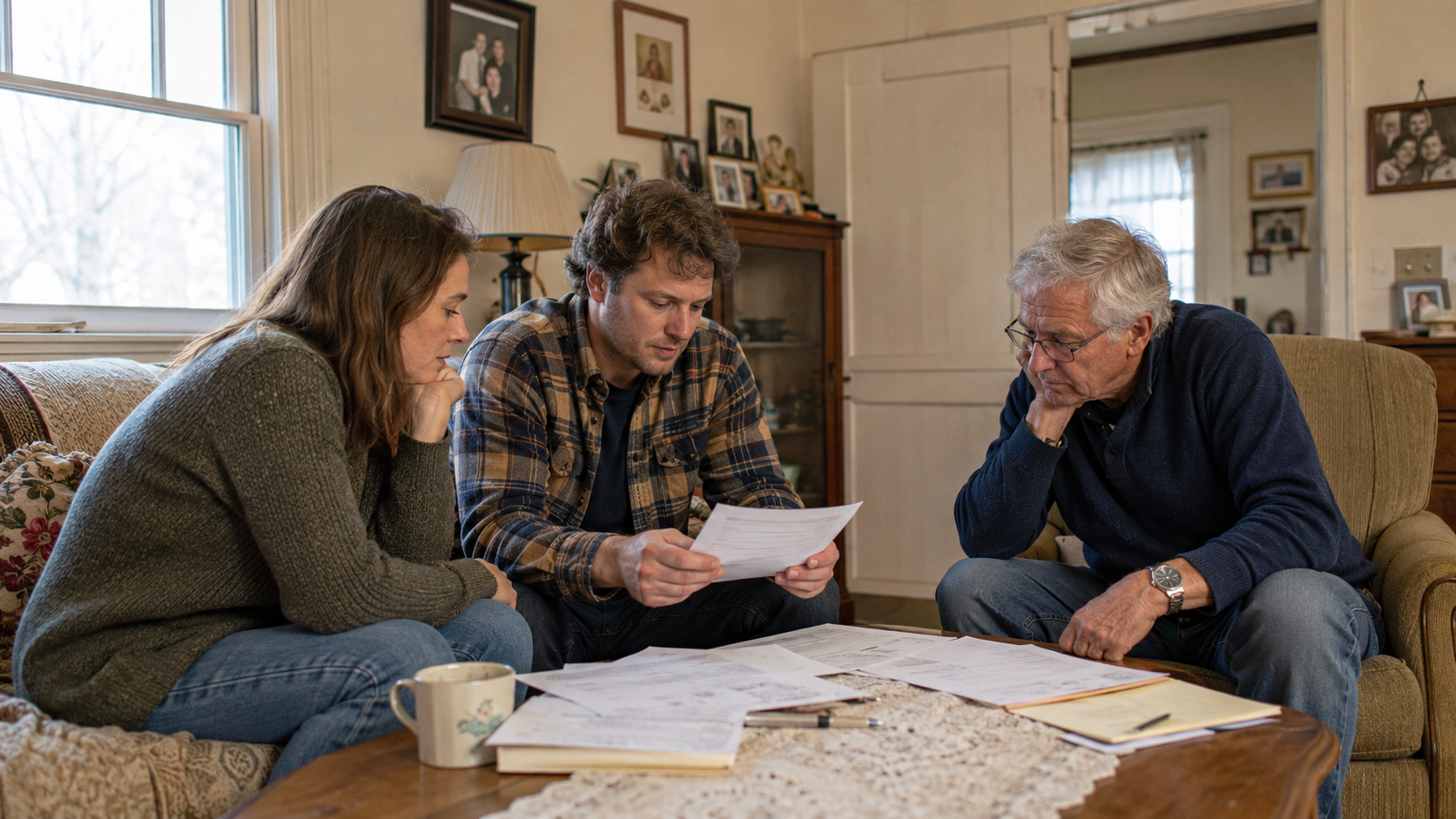
If you’re dealing with a probate property, one of the first decisions you’ll run into, "Do we fix it up… or just sell it as-is?"
And honestly, there’s no one answer that fits every situation.
Some homes need nothing. Some homes need a lot. Most are somewhere in between.
And when you’re already dealing with settling an estate, the last thing you usually want is to start managing contractors and renovation decisions.
So let’s break it down in a simple way.
First, what “as-is” actually means
A lot of people hear “as-is” and think it means the home is in bad shape or won’t sell well.
That’s not really true.
Selling as-is just means you’re not planning to do repairs before closing. The buyer is purchasing the property in its current condition.
That’s it.
People still inspect it. Buyers still make offers. It still goes through escrow like any other sale.
In probate, as-is is actually pretty common because families just want a clean, straightforward process.
So when does it make sense to NOT fix anything?
A lot of the time, honestly.
If the goal is to move the property quickly or reduce stress for everyone involved, selling as-is can be the better option.
This is especially true when:
- The house is older or heavily outdated
- Multiple heirs need to agree on decisions
- Nobody lives in the home anymore
- You don’t want to spend estate money upfront
- The market already has buyer demand for fixer properties
In these cases, putting money into repairs doesn’t always change the outcome enough to justify the time and effort.
What repairs actually matter (if you do decide to do some)
This is where people usually overthink it.
You don’t need to remodel a probate home. In most cases, that’s not worth it.
But small things can help a lot.
Stuff like:
- Fixing obvious leaks
- Making sure lights work
- Cleaning everything out and deep cleaning
- Touching up damaged walls or paint
- Removing anything broken or unsafe
- Basic curb appeal (yard, entry, etc.)
It’s less about “making it beautiful” and more about removing red flags.
Buyers are usually okay with older homes. They’re not okay with homes that feel neglected or have obvious issues.
When speed matters more than upgrades
This is something a lot of families don’t think about right away.
Every month you hold onto a probate property, there are costs:
taxes, insurance, utilities, maintenance, sometimes security if it’s vacant.
So sometimes the question becomes less about:
“How much more can we get if we fix it?”
and more about:
“Is it worth holding this for 2–3 more months just to try to increase the price?”
In a lot of probate situations, speed and simplicity matter more than squeezing out every dollar.
How to actually think about ROI (without overcomplicating it)
A simple way to look at it:
If you spend $10,000 on repairs… will it realistically bring back $10,000+ in added sale value?
Sometimes yes.
A lot of the time, no.
Cosmetic fixes like paint and cleaning usually have the best return.
Big projects like kitchens, flooring, or major remodels usually don’t come back dollar-for-dollar in probate homes.
Especially if buyers are already expecting a “fixer” anyway.
There’s no perfect formula here.
Some probate homes should be sold exactly as they are.
Some just need light cleanup and minor fixes.
Very few need full renovations before going on the market.
The right answer usually comes down to three things:
condition of the home, timeline of the estate, and what the family actually wants out of the sale.
Not what looks best on paper.
Key Takeaways
If you’re in this situation, don’t rush into repairs just because it feels like the “right” thing to do.
And don’t automatically assume selling as-is means leaving money on the table.
Most of the time, the smartest move is somewhere in the middle, a little bit of preparation, a clear strategy, and understanding what buyers in your area actually care about.
And if you’re unsure, that’s usually the moment to get someone local to walk the property with you before spending a dollar on anything.

Danny Gomes
Realtor / Probate Specialist | Legacy Realty Partners | Danny Gomes | PLACE
or another way