

Categories
Purchasing, Seller TipsPublished September 14, 2026
New Construction vs. Resale Homes: Which Is Right for You?

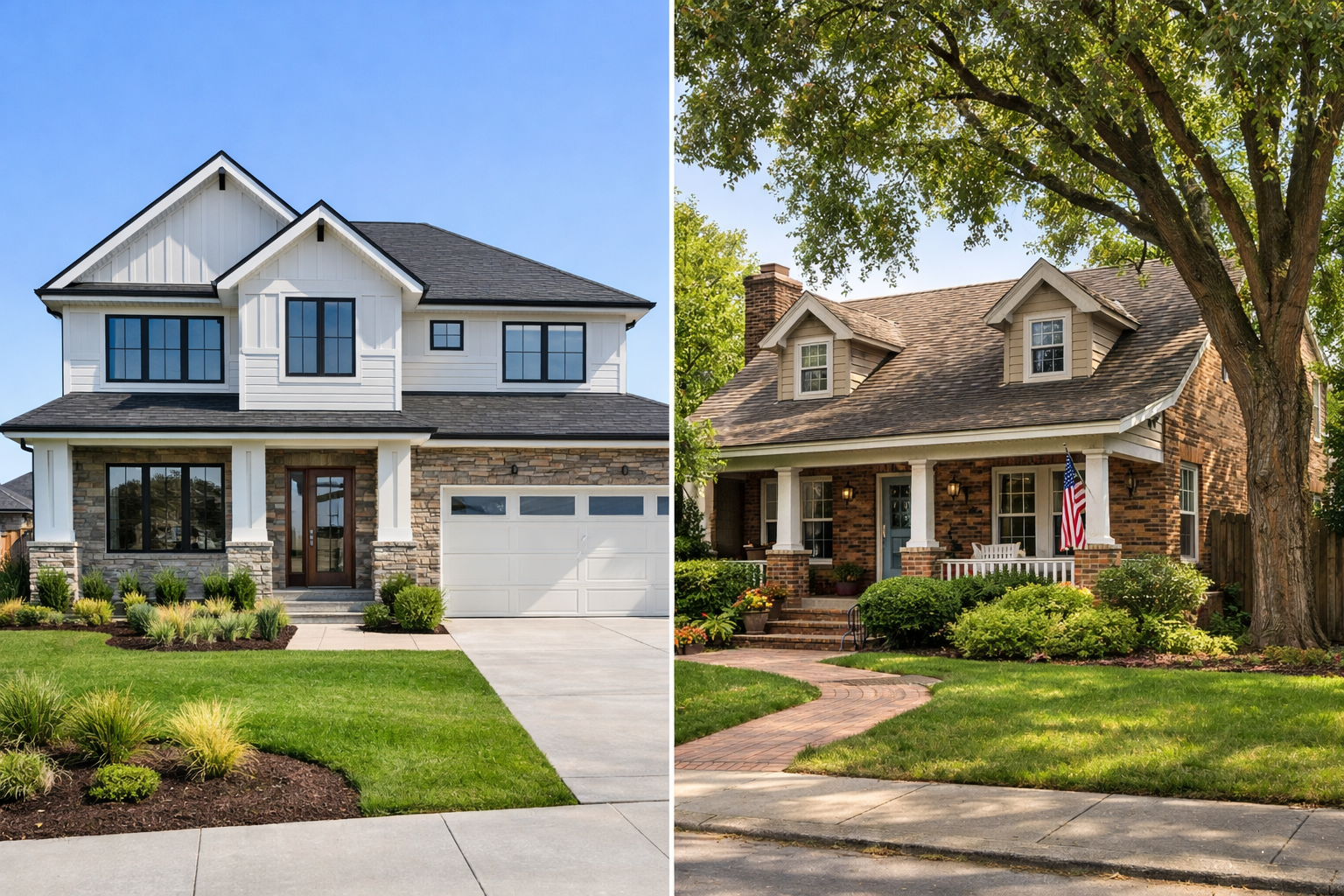
For many buyers, one of the biggest decisions in a home search is whether to buy new construction or a resale home. Both options can be excellent choices, but they offer very different experiences, costs, timelines, and tradeoffs. The right fit depends on your priorities, budget, flexibility, and long-term plans.
If you are weighing a newly built home against an existing property, this guide breaks down the key differences so you can make a confident, informed decision.
What Is the Difference Between New Construction and Resale Homes?
New construction homes are newly built properties that may be move-in ready, under construction, or not yet started. They are often sold by builders in planned communities or new developments.
Resale homes are existing homes that have been previously owned. They may range from nearly new to decades old and can be found in established neighborhoods, urban areas, suburban communities, and rural settings.
Neither option is automatically better. The best choice comes down to how each one aligns with your goals.
1. Price and Incentives
New Construction
New construction often comes with a higher base price than a comparable resale home, especially when the home includes modern finishes, energy-efficient systems, and builder warranties. However, builders may offer incentives such as closing cost assistance, design credits, appliance packages, or interest rate buydown opportunities through preferred lenders or affiliates.
It is important to look beyond the advertised base price. Lot premiums, upgrades, structural options, and community fees can increase the total cost significantly.
Resale Homes
Resale homes may offer more room for negotiation depending on market conditions, seller motivation, condition, and days on market. In some cases, buyers can find more square footage, larger lots, or more established landscaping for the price.
That said, a resale home may require repairs, updates, or replacements that affect the true cost of ownership after closing.
Bottom Line
If your priority is maximizing value and comparing total out-of-pocket cost, evaluate all-in pricing, not just the list price. Incentives can make new construction attractive, while resale homes may offer stronger negotiating opportunities or more home for the money.
2. Customization
New Construction
One of the biggest advantages of new construction is the ability to personalize the home. Depending on the stage of construction, buyers may be able to choose floor plans, elevations, finishes, cabinets, countertops, flooring, fixtures, and structural options.
The earlier you enter the process, the more choices you may have. However, upgrades can add up quickly, and not every builder or community offers the same level of flexibility.
Resale Homes
With a resale home, what you see is generally what you get. While some buyers appreciate the character and unique details of existing homes, others may need to budget for renovations to achieve their preferred style.
On the positive side, a resale home may already include features that would cost extra in new construction, such as window coverings, mature landscaping, fencing, storage solutions, or premium appliances.
Bottom Line
If personalization is a top priority, new construction may be the better fit. If you are comfortable making updates over time or prefer a home with existing character, resale may offer more flexibility in a different way.
3. Condition and Maintenance
New Construction
Because everything is brand new, major systems and components such as the roof, HVAC, plumbing, electrical, and appliances typically begin with a fresh lifespan. This can reduce near-term maintenance concerns and provide peace of mind for buyers who want fewer immediate projects.
Even so, new does not always mean flawless. Construction quality can vary, and punch-list items or workmanship issues can still arise.
Resale Homes
Resale homes may show wear and tear depending on age, upkeep, and prior renovations. Some homes are meticulously maintained, while others may need repairs or deferred maintenance addressed soon after purchase.
The upside is that an existing home has a track record. Buyers can often evaluate how the property has held up over time and identify visible strengths or concerns more easily.
Bottom Line
Buyers seeking fewer immediate maintenance demands often lean toward new construction. Buyers open to some upkeep in exchange for location, character, or pricing may find resale homes more appealing.
4. Energy Efficiency
New Construction
New homes are often built with more current materials, insulation standards, windows, HVAC systems, and smart-home features. This may translate into improved energy performance and lower utility costs compared with some older homes.
Specific efficiency features vary by builder, product line, and price point, so buyers should ask for details rather than assume every new home performs the same way.
Resale Homes
Older homes may be less efficient if they have outdated windows, insulation, or mechanical systems. However, some resale homes have already been upgraded with modern systems, solar features, efficient appliances, or improved building materials.
Bottom Line
If energy efficiency is high on your list, compare the actual features of each property. A well-updated resale home may compete more closely with new construction than many buyers expect.
5. Location and Neighborhood Maturity
New Construction
New construction communities can offer modern amenities, cohesive design, and a fresh start. Buyers may enjoy community pools, trails, clubhouses, parks, or planned gathering spaces depending on the development.
At the same time, newer communities may still be under development. Landscaping may be young, nearby retail may still be growing, and construction activity may continue for some time.
Resale Homes
Resale homes are often located in more established neighborhoods with mature trees, developed streetscapes, and a clearer sense of how the area functions day to day. Buyers may also have more options closer to city centers, older neighborhoods, or locations where little new inventory is being built.
Bottom Line
If you want a brand-new community experience, new construction may be appealing. If you value established surroundings, mature landscaping, and a more predictable neighborhood feel, resale may be the stronger choice.
6. Timelines and Delays
New Construction
Move-in timing for new construction can vary widely. A completed spec home may allow for a relatively quick closing, while a to-be-built home can take months. Weather, labor availability, permitting, materials, inspections, and supply chain issues can all affect the timeline.
Buyers who choose new construction should be prepared for possible delays and maintain flexibility around lease endings, rate locks, moving plans, and temporary housing if needed.
Resale Homes
Resale transactions often follow a more predictable timeline once a contract is accepted, although financing, appraisal, title, inspection negotiations, and seller logistics can still affect closing.
Bottom Line
If timing certainty matters most, a resale home or completed new construction inventory home may be easier to plan around than a home still being built.
7. Inspections Still Matter
New Construction
Some buyers assume a new home does not need an independent inspection because it is brand new. In reality, independent inspections can still be valuable where permitted and appropriate. A third-party inspector may identify workmanship concerns, incomplete items, or issues that should be addressed before closing or during warranty periods.
Resale Homes
Inspections are a standard and important part of many resale transactions. They help buyers better understand the condition of the home and prepare for repairs, maintenance, or negotiation decisions.
Bottom Line
Whether you buy new construction or resale, inspections can provide useful information. The scope, timing, and availability of inspections may vary by property and transaction, so buyers should discuss options with their real estate professional and other relevant advisors.
8. Warranties
New Construction
Many new homes include builder or manufacturer warranties covering certain components or workmanship for defined periods. Coverage, exclusions, transferability, and claim procedures vary, so buyers should review warranty documents carefully and understand what is and is not included.
Resale Homes
Resale homes typically do not come with builder warranties, although some systems or appliances may still be under transferable manufacturer coverage. In some transactions, buyers and sellers may negotiate a separate home warranty plan, but terms vary.
Bottom Line
New construction may offer more formal warranty protection, but buyers should read the details closely. Warranty coverage is not a substitute for due diligence.
9. HOA and Community Considerations
New Construction
Many new construction homes are located in planned communities with homeowners associations. These communities may provide amenities and design consistency, but they may also include dues, rules, architectural guidelines, and future assessments.
Resale Homes
Resale homes may or may not be in an HOA. In established communities, buyers can often review how the neighborhood operates in practice, including upkeep, parking patterns, amenity condition, and overall community feel.
Bottom Line
Before buying either type of home, review community documents, fees, restrictions, and amenities carefully so you understand the full ownership picture.
10. Resale Potential
New Construction
A new home may be attractive to future buyers because of its age, layout, and modern features. However, resale potential can be influenced by future builder competition if the surrounding community is still adding inventory.
Resale Homes
Resale homes in established neighborhoods may benefit from location, lot size, mature landscaping, or architectural character. On the other hand, outdated finishes or deferred maintenance can affect future marketability.
Bottom Line
Long-term resale potential depends on more than whether a home is new or existing. Location, floor plan, upkeep, pricing, and neighborhood appeal all matter.
Practical Decision Checklist: Which Option Fits You Best?
Ask yourself these questions as you compare new construction and resale homes:
- Budget: Am I focused on the lowest total cost today, or am I willing to pay more upfront for newer systems and finishes?
- Customization: Do I want to choose design elements, or am I comfortable updating a home over time?
- Timeline: Do I need to move on a specific schedule, or can I be flexible if construction takes longer than expected?
- Maintenance: Do I want fewer immediate repair concerns, or am I open to taking on projects?
- Location: Do I prefer a newer planned community or an established neighborhood?
- Amenities and HOA: Am I comfortable with community dues and rules in exchange for amenities or neighborhood consistency?
- Condition certainty: Would I rather buy something brand new, or do I value seeing how a home has performed over time?
- Long-term plans: How long do I expect to stay in the home, and what features will matter most for future resale?
Buyer Tips for Either Path
- Use independent representation. Builder sales representatives work for the builder. In a resale transaction, the listing agent represents the seller unless another arrangement is in place. Having your own buyer representation helps you evaluate options, pricing, contract terms, deadlines, and negotiation strategy from your side of the transaction.
- Read the fine print. Incentives, upgrade packages, financing offers, warranty terms, and contract timelines can vary significantly.
- Compare total monthly cost. Look at more than purchase price. Consider taxes, insurance, HOA dues, utilities, maintenance, and any upgrade or repair costs.
- Do not skip due diligence. Review disclosures, community documents, inspection options, and lender terms carefully.
- Think beyond the model home. In new construction, verify what is included versus shown as an upgrade. In resale, look past staging and focus on condition, layout, and long-term fit.
- Plan for the first year. Whether you buy new or resale, set aside reserves for moving expenses, furnishings, maintenance items, and unexpected costs.
So, Which Is Right for You?
If you want a home with modern finishes, newer systems, potential energy-efficiency advantages, and opportunities for personalization, new construction may be the right fit.
If you value established neighborhoods, potentially more negotiating flexibility, mature landscaping, and the ability to evaluate an existing property in real-world condition, a resale home may be the better choice.
The best decision is the one that matches your budget, timeline, lifestyle, and comfort level with tradeoffs.
Work With Legacy Realty Partners
Whether you are considering a brand-new build or an existing home, Legacy Realty Partners can help you compare options, understand the tradeoffs, and navigate the buying process with clarity. From evaluating builder incentives and contract terms to identifying strong resale opportunities and coordinating due diligence, our team is here to help you make a confident move.
If you are ready to explore new construction and resale homes side by side, connect with Legacy Realty Partners to start your home search with a strategy tailored to your goals.
Disclaimer: This article is provided for general informational purposes only and is not legal, tax, lending, construction, or inspection advice. Terms, availability, pricing, incentives, timelines, inspection options, warranty coverage, and transaction requirements vary by builder, community, property, lender, and transaction. Buyers should verify current details and consult the appropriate licensed professionals for guidance specific to their situation.

Danny Gomes
Realtor / Probate Specialist | Legacy Realty Partners | Danny Gomes | PLACE
or another way