

Categories
Seller TipsPublished October 28, 2026
How to Prepare Your Home for Sale Without Overspending

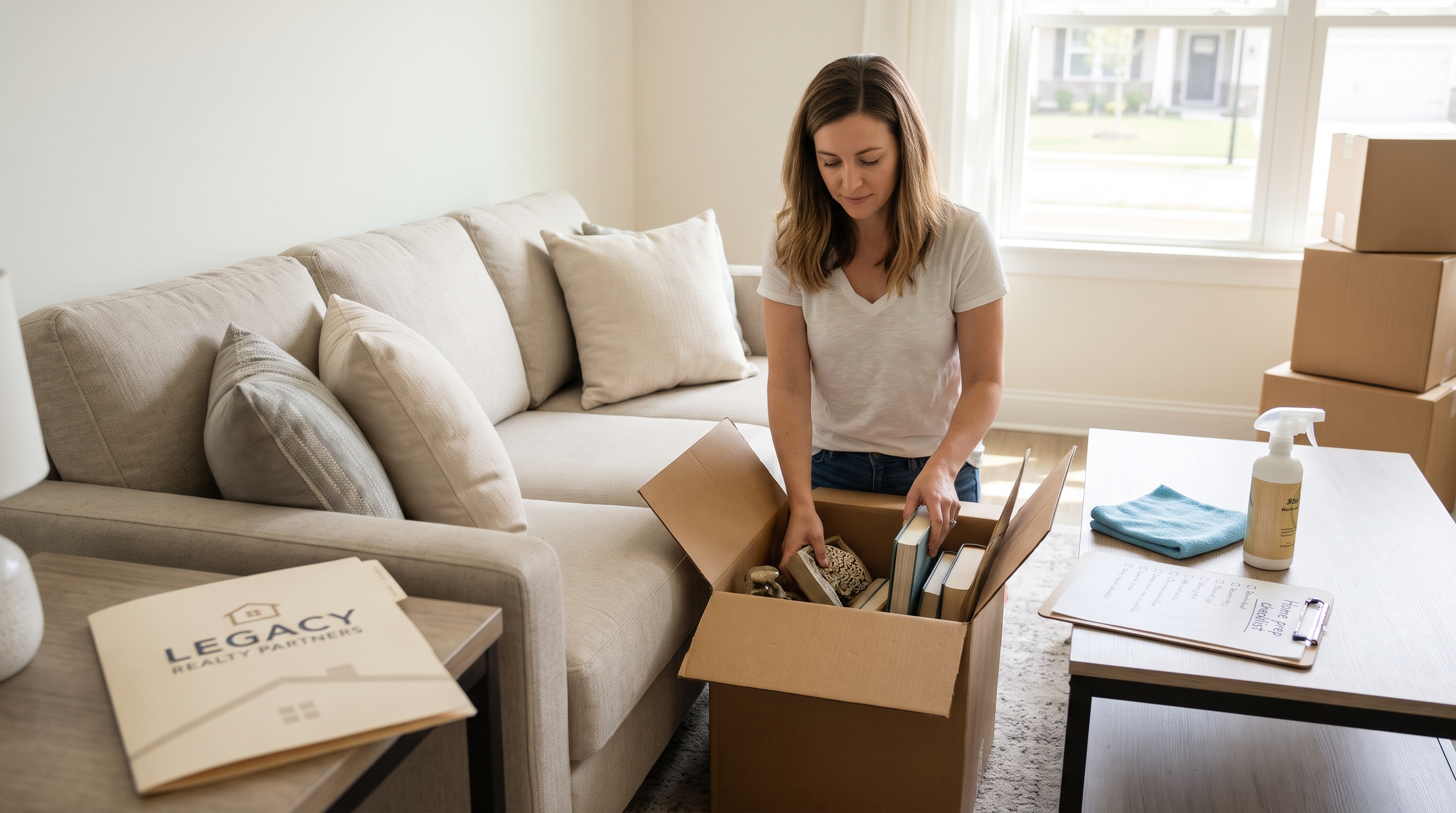
Preparing your home for sale does not have to mean a full renovation, expensive upgrades, or months of disruption.
Many sellers worry that they need to replace every outdated feature, remodel the kitchen, or spend heavily before listing. In reality, the most effective preparation often comes from focusing on the details buyers notice first: cleanliness, condition, presentation, and signs that the home has been cared for.
The goal is not to make your home look like someone else’s. It is to help buyers see its potential, understand its value, and feel confident about moving forward.
Here is how to prepare your home for sale without overspending.
Start With a Clear Selling Strategy
Before spending money on repairs or improvements, talk with a real estate professional about your home’s current market position.
The right preparation plan depends on factors such as:
- Your home’s condition
- Your likely buyer pool
- Competing homes currently for sale
- Recent comparable sales
- Your timeline
- Your budget
- Whether you plan to sell as-is or complete targeted improvements
A project that makes sense for one home may not make sense for another. For example, replacing a worn-out roof may be more important than updating light fixtures. In another situation, a deep clean and fresh paint may be enough to improve buyer perception.
A clear strategy helps you avoid spending money on projects that are unlikely to support your goals.
Focus on Repairs Before Major Renovations
Buyers often notice deferred maintenance before they notice cosmetic details.
Small issues can create the impression that larger problems may be hiding beneath the surface. Before listing, address practical repairs that affect how the home functions or presents.
Consider taking care of items such as:
- Leaky faucets
- Loose cabinet hardware
- Sticking doors
- Broken screens
- Burned-out light bulbs
- Damaged outlet covers
- Cracked caulk
- Dripping gutters
- Loose handrails
- Minor drywall damage
- Visible water stains, after the source has been addressed
- Broken fence boards
- Non-functioning smoke or carbon monoxide detectors
These repairs are often less expensive than major renovations, but they can make the home feel better maintained.
If you are unsure which repairs matter most, ask your real estate professional for guidance before starting.
Declutter Before You Decorate
Decluttering is one of the most affordable ways to improve how a home feels.
Too much furniture, crowded shelves, overflowing closets, and personal items can make rooms appear smaller and distract buyers from the home itself.
Start by removing:
- Excess furniture
- Personal photographs
- Collections and decorative clutter
- Countertop appliances you do not use daily
- Overflowing closet items
- Seasonal decorations
- Extra storage bins
- Unused exercise equipment
- Pet supplies, where practical
- Items stored in hallways, garages, or entryways
You do not need to make the home feel empty. The goal is to create enough open space for buyers to understand the layout, storage, and flow.
Decluttering early also makes moving easier later.
Deep Clean the Home
A clean home can make a stronger impression than many expensive upgrades.
Buyers notice odors, dust, dirty windows, stained grout, cluttered counters, and neglected surfaces. A thorough cleaning can help the home feel brighter, more cared for, and more move-in ready.
Focus on:
- Kitchens and bathrooms
- Floors and baseboards
- Windows and mirrors
- Light fixtures and ceiling fans
- Appliances
- Cabinets and drawers
- Closets
- Entryways
- Laundry areas
- Garage and storage spaces
- Outdoor living areas
If your budget allows, hiring a professional cleaner before photography or showings may be worthwhile. If not, a detailed room-by-room cleaning plan can still make a meaningful difference.
Use Neutral, Low-Cost Paint Strategically
Fresh paint can be one of the most cost-effective ways to refresh a home.
You do not need to repaint every room. Focus on spaces with bold colors, visible scuffs, stains, patchwork, or worn finishes.
Neutral colors often help buyers focus on the room rather than the paint. Light, clean tones can also make spaces feel brighter and more open.
Before painting, repair nail holes, dents, and visible wall damage. A small amount of preparation can make the finished result look much more polished.
Improve Curb Appeal With Simple Updates
Buyers begin forming an impression before they walk through the front door.
You do not need a major landscaping project to improve curb appeal. Small, affordable updates can make the exterior feel more welcoming.
Consider:
- Mowing and edging the lawn
- Trimming overgrown shrubs
- Removing weeds
- Sweeping walkways and porches
- Cleaning the front door
- Replacing a worn doormat
- Adding simple seasonal plants, if appropriate
- Touching up exterior paint where needed
- Cleaning exterior light fixtures
- Making sure house numbers are visible
- Removing clutter from the yard, driveway, and porch
A clean, well-maintained exterior helps buyers feel more confident before they even enter the home.
Make the Kitchen and Bathrooms Feel Fresh
Kitchens and bathrooms often receive extra attention from buyers, but that does not mean you need a full remodel.
Affordable improvements may include:
- Deep cleaning counters, cabinets, and appliances
- Replacing worn caulk
- Updating cabinet hardware
- Replacing outdated or damaged light fixtures
- Repairing dripping faucets
- Cleaning grout
- Replacing a worn shower curtain or bath mat for photos and showings
- Clearing countertops
- Removing expired products and excess items from cabinets
If cabinets are in good condition but look dated, refinishing or painting may be worth considering. However, get guidance before investing in larger cosmetic projects.
Let in More Light
Bright homes often feel more inviting.
Before photos and showings:
- Open blinds and curtains
- Clean windows
- Replace burned-out bulbs
- Use matching light bulb temperatures where possible
- Remove heavy window coverings if they make rooms feel dark
- Trim landscaping that blocks natural light
- Turn on lights before showings
Lighting is a relatively low-cost way to improve the overall presentation of a home.
Do Not Ignore Odors
Odors can affect buyer perception quickly.
Common sources include pets, smoke, cooking, mildew, trash, carpets, and damp areas. Covering odors with strong fragrances may not solve the problem and can sometimes make buyers more suspicious.
Instead, identify and address the source.
Helpful steps may include:
- Deep cleaning carpets and upholstery
- Washing pet bedding
- Cleaning trash and recycling areas
- Ventilating the home
- Cleaning drains
- Addressing moisture concerns
- Removing smoke-related residue where applicable
- Avoiding strong candles or air fresheners before showings
If an odor persists, consider consulting a qualified cleaning or remediation professional.
Organize Storage Areas
Storage matters to buyers.
Closets, cabinets, garages, basements, attics, and sheds should be organized enough for buyers to see their size and usefulness.
You do not need to empty every storage area completely. Instead:
- Remove excess items
- Pack off-season belongings
- Keep pathways clear
- Group similar items together
- Avoid stacking boxes too high
- Make sure buyers can access key storage spaces
Organized storage can make a home feel more functional and spacious.
Consider a Pre-Listing Inspection Carefully
Some sellers choose to complete a pre-listing inspection to identify visible issues before putting the home on the market.
This may help a seller plan repairs, gather estimates, or prepare for buyer questions. However, it is not necessary for every property or every selling strategy.
Before ordering an inspection, discuss the potential benefits, costs, and disclosure considerations with your real estate professional and appropriate advisors.
Avoid Over-Improving for the Neighborhood
It is easy to assume that more upgrades always lead to a higher sale price. That is not always the case.
A major renovation may not produce a return equal to its cost, especially if the home becomes significantly more expensive than comparable properties nearby.
Before investing in a large project, consider:
- How similar homes are presented and priced
- Whether buyers in your area expect the upgrade
- Your timeline
- The cost of the project
- Whether the improvement addresses a real buyer concern
- Whether a lower-cost alternative could achieve a similar result
Sometimes the best strategy is to price the home appropriately and let the next owner make larger design choices.
Prepare for Photography and Showings
Once your home is ready, presentation matters.
Before professional photos or showings:
- Clear kitchen and bathroom counters
- Remove personal photos and sensitive documents
- Make beds neatly
- Put away pet supplies
- Empty trash bins
- Open blinds and curtains
- Turn on lights
- Keep the temperature comfortable
- Secure valuables and medications
- Make sure the home smells clean and neutral
- Remove vehicles from the driveway if possible
A consistent showing routine can make it easier to keep the home ready once it is listed.
A Budget-Friendly Home Sale Preparation Checklist
Use this checklist to prioritize your preparation:
- Meet with a real estate professional before spending money.
- Review comparable homes and current competition.
- Address visible repairs and deferred maintenance.
- Declutter rooms, closets, and storage areas.
- Deep clean the home.
- Use fresh paint strategically where needed.
- Improve curb appeal with simple exterior maintenance.
- Refresh kitchens and bathrooms with cleaning and minor updates.
- Improve lighting and clean windows.
- Address odors at the source.
- Organize garages, basements, attics, and sheds.
- Prepare a routine for photography and showings.
- Avoid major renovations unless they support a clear strategy.
Work With Legacy Realty Partners
Preparing your home for sale does not have to mean overspending.
Legacy Realty Partners can help you identify the improvements that may matter most, avoid unnecessary projects, and create a practical plan based on your home, timeline, and local market conditions.
From pricing and preparation to marketing, negotiations, and closing, our team can help you move forward with a clear strategy.
Contact Legacy Realty Partners to schedule a personalized home-sale preparation consultation.
Important Disclaimer
This article is provided for general informational purposes only and should not be considered legal, tax, inspection, appraisal, construction, lending, financial, or investment advice. Property condition, repair needs, market conditions, buyer preferences, costs, and transaction requirements vary by location and individual circumstances. No preparation strategy, repair, renovation, pricing plan, or marketing approach guarantees a sale price, timeline, appraisal result, or transaction outcome. Consult qualified real estate, legal, tax, inspection, construction, lending, and financial professionals for guidance specific to your situation.

Danny Gomes
Realtor / Probate Specialist | Legacy Realty Partners | Danny Gomes | PLACE
or another way