

Categories
Probate Real Estate, Probate TipsPublished July 22, 2026
Frequently Asked Questions About Probate Real Estate

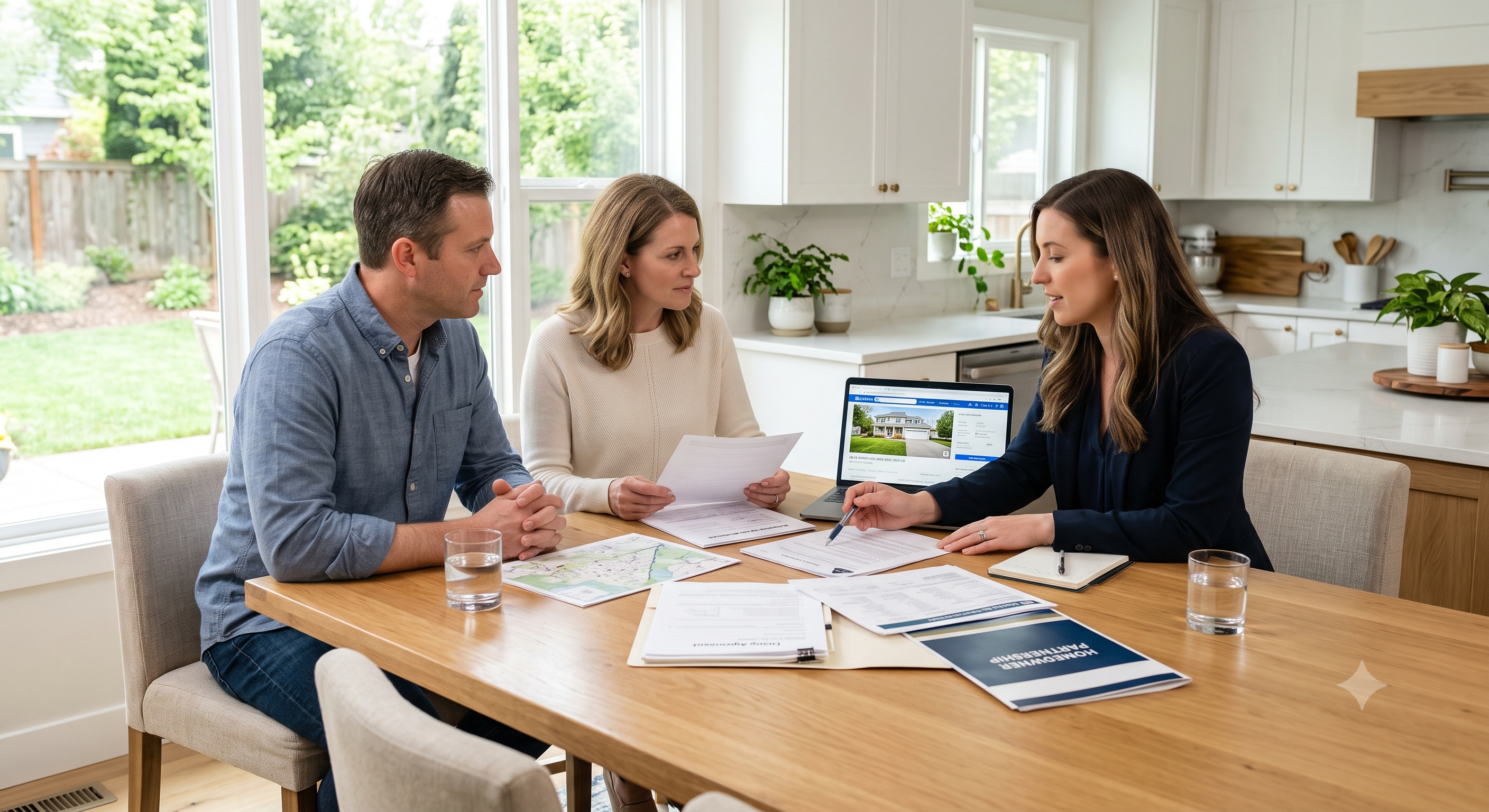
Probate real estate can feel confusing, especially for families who are dealing with a loss while also trying to understand what happens to a home.
There are legal steps, financial responsibilities, and practical decisions that often need to be made quickly. Many people ask the same questions at the beginning of the process, especially around timing, authority, and what can or can't happen before probate is complete.
Here are answers to some of the most common questions about probate real estate.
What is probate real estate?
Probate real estate refers to a home or property that is part of a deceased person's estate and must go through the probate process before it can be transferred or sold.
Probate is the legal process used to settle a person's estate after death. That can include validating a will, identifying heirs, paying debts, and distributing assets. If real estate is still titled in the deceased person's name alone, it may need to go through probate before a sale can happen.
Not every property goes through probate. Some homes are held in a trust, owned jointly with rights of survivorship, or have another transfer mechanism that allows them to pass outside probate.
Can heirs sell the property immediately?
Usually, no.
In most cases, heirs cannot sell a probate property immediately just because they are named in a will or expect to inherit the home. The person who typically has authority to act is the court-appointed executor or administrator of the estate.
Before a sale can move forward, that person may need legal authority from the probate court, depending on the laws in the state and the specifics of the estate.
That means the answer is often:
- Not until the estate has been opened
- Not until the correct person has been appointed
- Not until any required court authority has been granted
In some situations, the process moves fairly quickly. In others, it can take more time. The timeline depends on the probate process in that state, whether there is a valid will, and whether anyone contests the estate.
Who pays the mortgage during probate?
The mortgage still has to be paid during probate.
A person's death does not make the mortgage disappear. If there is a loan on the property, payments usually need to continue to avoid late fees, default, or foreclosure.
Those payments may come from:
- Estate funds
- A surviving co-owner or spouse
- Family members trying to protect the property while the estate is settled
- Proceeds from other estate assets, if available
The same general idea applies to property taxes, insurance, utilities, and maintenance. These bills still need attention while probate is ongoing.
Families should be careful not to assume they can ignore the home financially until the case is finished. Falling behind can create bigger problems and reduce the value of the estate.
What if multiple heirs disagree?
This is one of the most common probate challenges.
When multiple heirs are involved, disagreements can come up over:
- Whether to sell the home
- What price to accept
- Whether repairs should be made
- Who can live in the home
- How sale proceeds should be divided
If there is an executor or administrator with legal authority, that person may be responsible for making certain decisions in the best interest of the estate, even when heirs do not all agree. In some cases, court supervision may be required to resolve disputes.
If conflict starts building, it helps to bring in professionals early. A probate attorney can explain the legal authority involved, and a real estate agent experienced in probate sales can help create a clear, documented process around pricing, preparation, and offers.
Clear communication matters. So does having neutral market guidance rather than relying on opinions from family members under stress.
Can the home be occupied during probate?
Sometimes, yes.
A probate property can often still be occupied during the probate process, but that depends on who is living there, what authority they have, and what is best for the estate.
For example:
- A surviving spouse may still be living in the home
- An heir may already be living there
- The property may be vacant
- A court order or estate plan may affect who can stay there
Even if someone is occupying the home, the estate still needs to handle expenses, liability concerns, and upkeep. If the property is vacant, regular maintenance becomes even more important. Vacant homes can face higher risk for deferred maintenance, insurance issues, or security problems.
Occupancy should be discussed early with the attorney and the estate representative so expectations are clear.
Do all probate sales require court approval?
No, not all probate sales require court approval.
This is one of the biggest misconceptions about probate real estate. Some probate sales do require court involvement and approval. Others can be handled with less court oversight once the executor or administrator has been properly authorized.
Whether court approval is required depends on things like:
- State law
- Whether there is a will
- The powers granted to the executor
- The type of probate proceeding
- Whether the sale is being contested
In some states or cases, the representative may be able to list and sell the property with limited court involvement. In others, the sale may need formal approval before it can close.
That is why probate real estate is never truly one-size-fits-all. The legal process can vary quite a bit from one situation to another.
What steps should families take first?
If a home may need to be sold through probate, a few early steps can make the process smoother:
- Confirm how title is held
- Determine whether probate is actually required
- Identify who has legal authority to act
- Make sure mortgage, taxes, insurance, and utilities are being handled
- Talk with a probate attorney about legal next steps
- Get guidance from a real estate agent familiar with probate sales
It also helps to gather basic property information early, including loan details, insurance information, utility accounts, and any documents related to the will or trust.
Why probate real estate needs a careful approach
Probate sales often involve more than just preparing a home and putting it on the market.
There may be legal deadlines, family dynamics, creditor issues, title questions, and court procedures that affect timing and decision-making. A rushed or poorly coordinated approach can create delays and added stress.
A careful plan helps protect the estate, reduce confusion, and make the transaction easier for everyone involved.
Final thoughts
Probate real estate raises a lot of questions, and that is normal. Families are often navigating grief, legal process, and financial decisions all at once.
The most important thing to remember is that probate rules vary by state and by situation. Heirs usually cannot act immediately on their own, the home's expenses still need attention, disagreements can affect the timeline, and court approval may or may not be required depending on the case.
Getting legal advice early and working with a real estate professional who understands probate can make the process much more manageable.

Danny Gomes
Realtor / Probate Specialist | Legacy Realty Partners | Danny Gomes | PLACE
or another way