

Categories
Seller TipsPublished July 1, 2026
7 Mistakes Home Sellers Make Before Listing Their Home

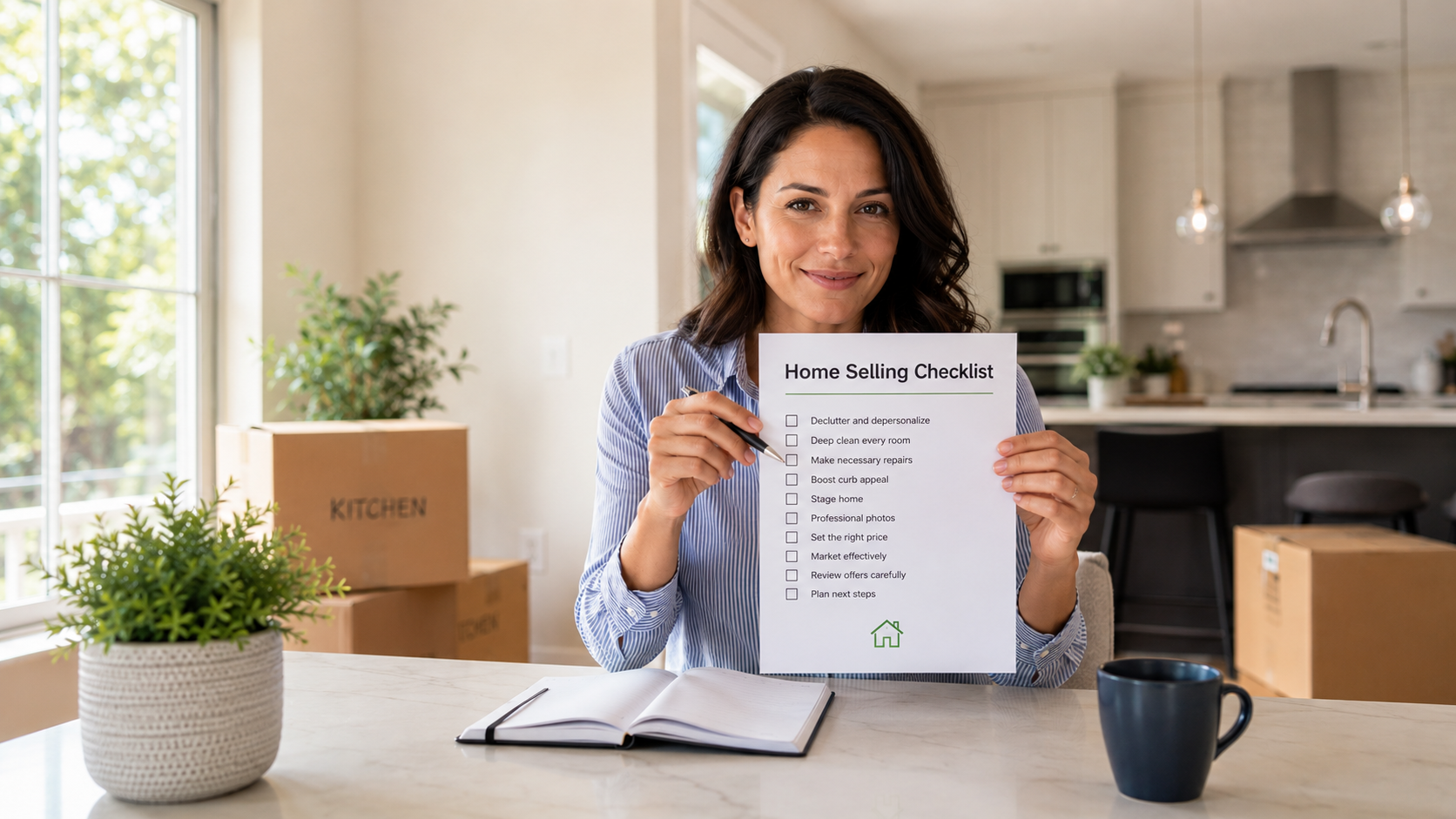
Selling a home starts long before the sign goes in the yard. The steps taken before a property hits the market can have a direct impact on price, buyer interest, and how smoothly the transaction moves from start to finish.
Many sellers assume listing a home is simply a matter of cleaning up, taking a few photos, and waiting for offers. In reality, the preparation stage is where some of the biggest mistakes happen. The good news is that most of them are preventable with the right plan.
Here are seven common mistakes home sellers make before listing their home, and how to avoid them.
1. Pricing the home based on emotion, not the market
One of the most common mistakes sellers make is setting a price based on personal attachment, what they need to net, or what a neighbor’s home sold for without looking at the full picture.
A home’s market value is influenced by current local conditions, recent comparable sales, property condition, location, upgrades, and buyer demand. Pricing too high can cause the home to sit on the market, which may lead to price reductions and less buyer interest over time.
The better approach is to price strategically from the start using real market data and a clear understanding of how buyers will view the property in today’s market.
2. Skipping repairs that buyers will notice immediately
Small issues can create big hesitation for buyers. Loose handles, chipped paint, stained flooring, dripping faucets, broken light fixtures, and damaged screens may seem minor, but together they can make the home feel neglected.
Before listing, sellers should walk through the property with a critical eye and address visible maintenance concerns. Taking care of basic repairs in advance can help the home show better and reduce objections once buyers begin touring the property.
3. Leaving too much clutter and personal décor in place
Buyers need to be able to picture themselves living in the home. That becomes harder when rooms are crowded with furniture, overflowing shelves, bold personal décor, or too many family photos and collectibles.
Decluttering helps rooms feel larger, cleaner, and more inviting. Depersonalizing the space can also make online photos stronger, which matters because most buyers will see the home online before they ever step inside.
A clean, simplified presentation helps the home appeal to a wider range of buyers.
4. Ignoring curb appeal
First impressions matter. Buyers often form an opinion about a property before they even walk through the front door. If the yard looks overgrown, the paint is peeling, or the entry feels neglected, that impression can carry into the rest of the showing.
Simple improvements like trimming landscaping, cleaning walkways, touching up paint, refreshing the front door, and making sure the exterior looks neat can make a meaningful difference.
Strong curb appeal helps create immediate interest and sets the tone for the rest of the home.
5. Using poor listing photos
A home can be well-maintained and properly priced, but if the photos are dark, poorly framed, or taken without preparation, buyers may scroll past it without scheduling a showing.
Professional-quality photography is one of the most important parts of a successful listing. Clean spaces, proper lighting, and strong composition help highlight the property’s best features and attract more attention online.
Since the first showing usually happens on a screen, photos need to make a strong impression.
6. Not preparing for showings in advance
Some sellers wait until the home is live to think about how showings will work. That can lead to stress, missed opportunities, and scheduling problems.
Before listing, it helps to have a plan for keeping the home clean, handling pets, managing children’s items, and being ready to leave the home quickly for appointments. Sellers should also think through how much notice they need and what showing instructions will make the process smoother.
The easier it is for buyers to tour the home, the more opportunities there are to generate serious interest.
7. Listing before having a clear strategy
Selling a home is not just about getting it on the market. It’s about knowing how the property will be positioned, how offers will be handled, what timelines matter, and what the next move looks like after the sale.
Some sellers list before they’ve thought through their goals, preferred timing, moving plan, or negotiation priorities. Without a clear strategy, even a strong listing can become harder to manage once activity picks up.
Before going live, sellers should have a clear plan in place for pricing, preparation, marketing, showings, and next steps.
Final thoughts
The most successful home sales usually begin with thoughtful preparation. Avoiding these common mistakes can help sellers create a stronger first impression, attract better buyer interest, and put themselves in a better position when offers come in.
If you’re thinking about selling, the best first step is to understand your local market, prepare the home with intention, and work with a strategy that fits your goals.
A little preparation before listing can make a big difference once your home hits the market.

Danny Gomes
Realtor / Probate Specialist | Legacy Realty Partners | Danny Gomes | PLACE
or another way